
HVAC & Climate
Centralized control of chillers, fan coils, AHUs, VRF, and underfloor systems with schedules, setpoints, and occupancy logic.
Practical, multi-protocol BMS integrations for offices, apartments, hotels, and mixed-use developments in Cyprus, designed to coexist with what's already installed.
We bridge HVAC, lighting, energy, access, and safety into a coherent BMS, across KNX, BACnet, Modbus, and IP. Built for buildings that need to run reliably, day after day, with operators who actually trust the system.

Each subsystem stays focused, but the BMS gives operations a single, dependable view across all of them.
Centralized control of chillers, fan coils, AHUs, VRF, and underfloor systems with schedules, setpoints, and occupancy logic.
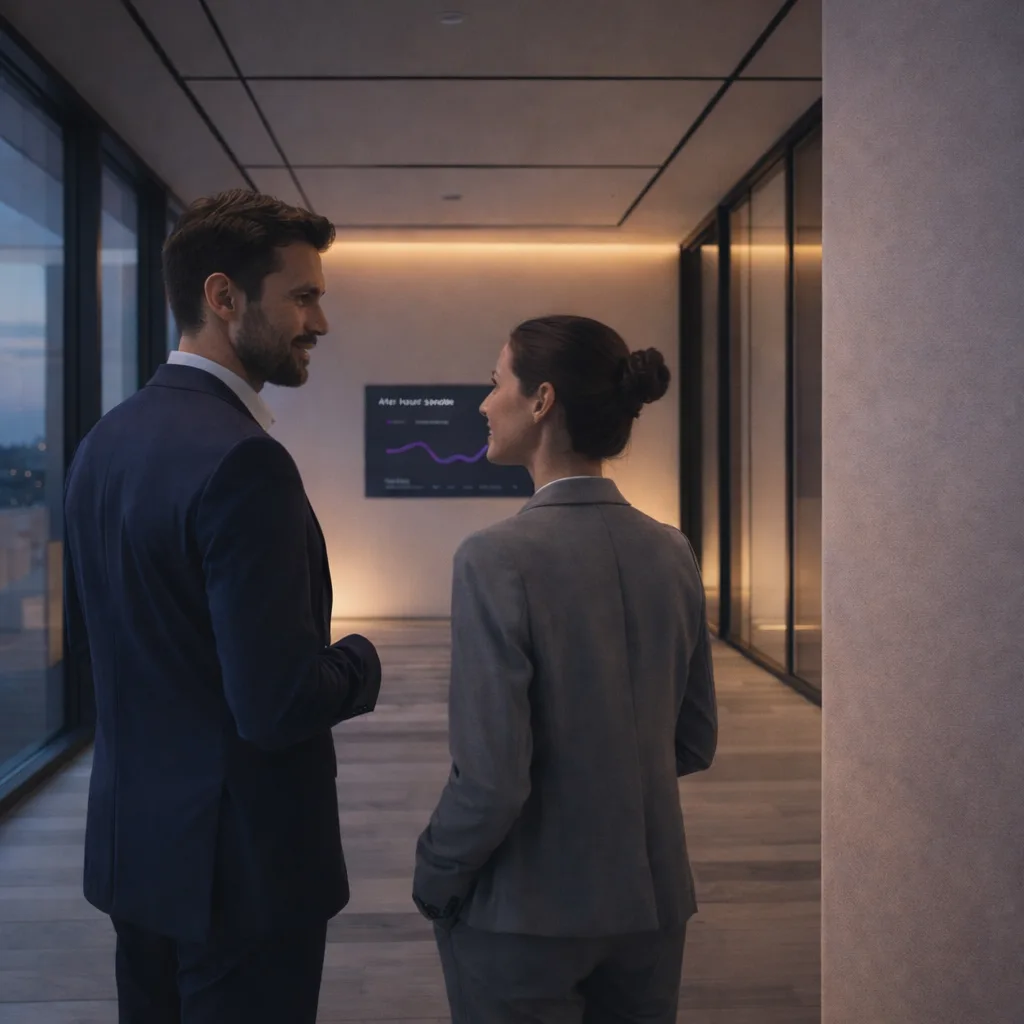
Scene control, DALI/KNX dimming, daylight harvesting, and shading automation tied into operational schedules and energy strategy.
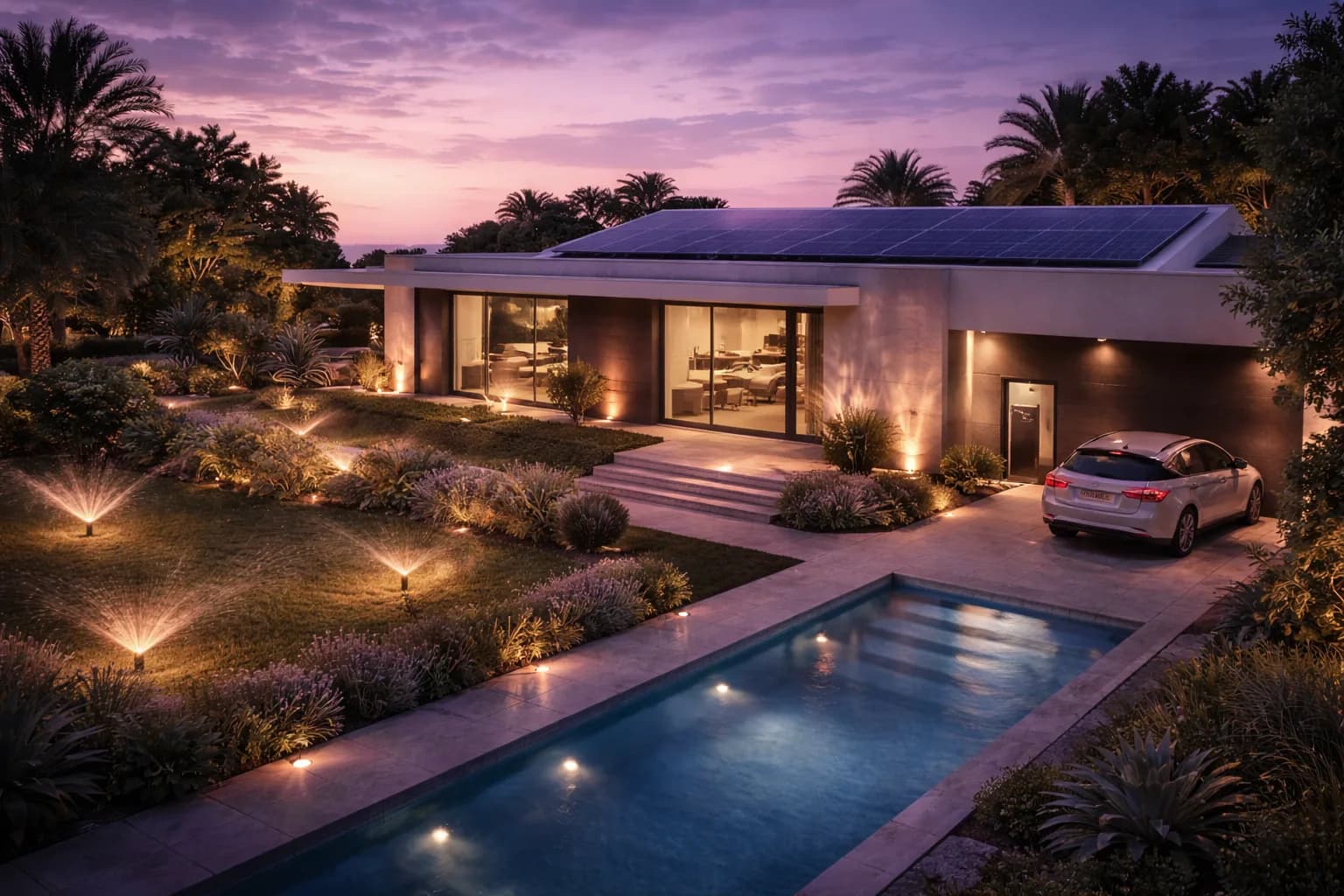
Per-circuit metering, sub-billing where required, peak shaving, and reporting that supports facilities decisions and ESG targets.
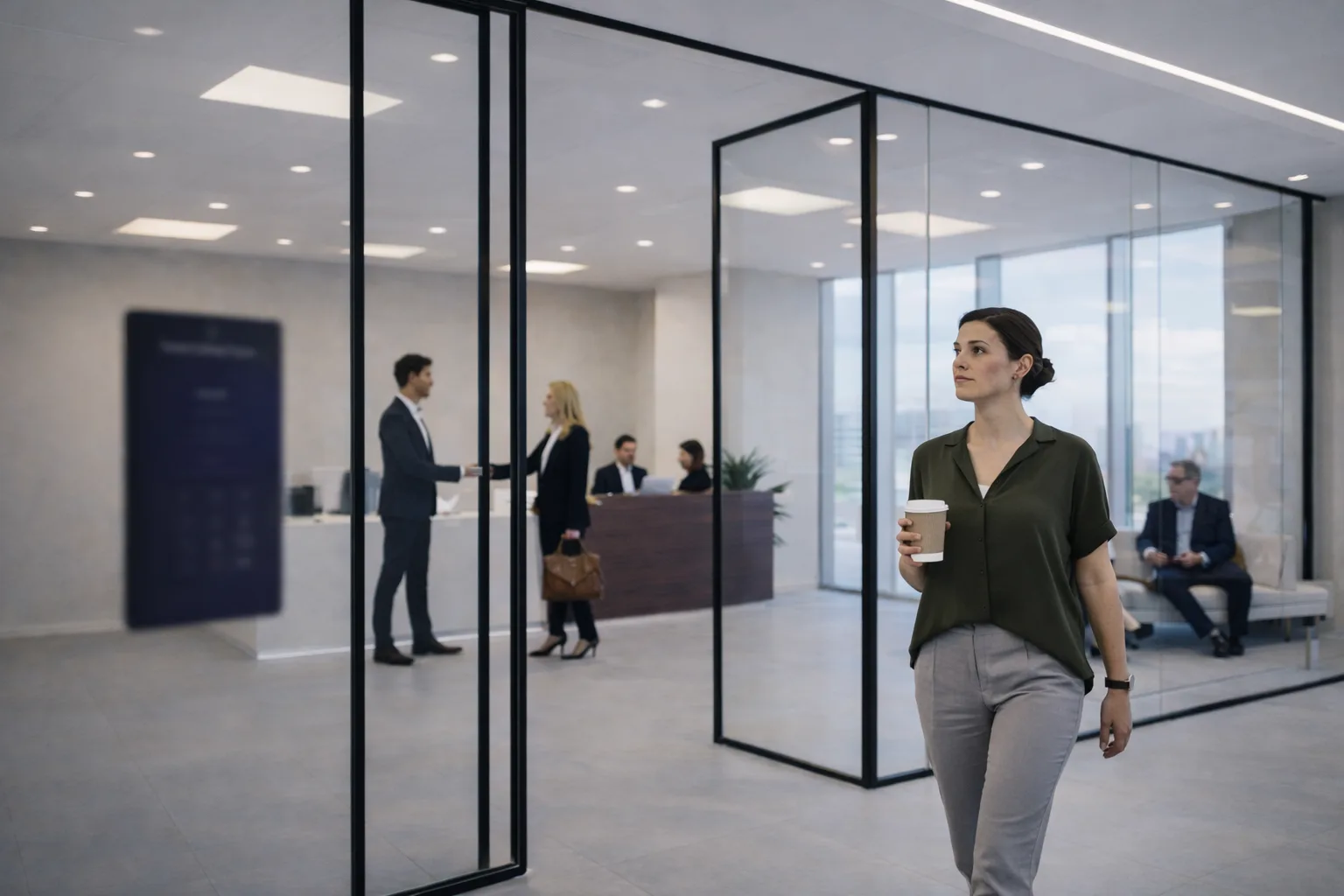
Door, gate, alarm, and CCTV integrations with role-based administration and event-driven workflows across zones.

Water leak, gas, smoke, and critical-event alerts wired into clear escalation paths, so the right person responds before damage is done.
Secure remote access for facilities teams: dashboards, diagnostics, and overrides, without exposing complex controls to end users.
Practical integration choices, legacy-aware design, and clean operator handover.
KNX, BACnet, Modbus RTU/TCP, M-Bus, DALI, and IP, bridged into a single control and monitoring layer.
We work with what's already installed. Older HVAC controllers, meters, and alarms can be brought into a unified BMS without a full rip-and-replace.
Local-first control logic, redundant supervision where required, and clean commissioning so the system runs predictably for years.
Clear dashboards, role-based access, and documentation that lets facilities teams operate confidently without depending on the original installer.
Most commercial buildings end up with disconnected subsystems: HVAC on one controller, lighting on another, alarms on a third. Our BMS work focuses on bridging them, cleanly, into a coherent operations platform.
We design integrations around the protocols already in place rather than forcing a single ecosystem.
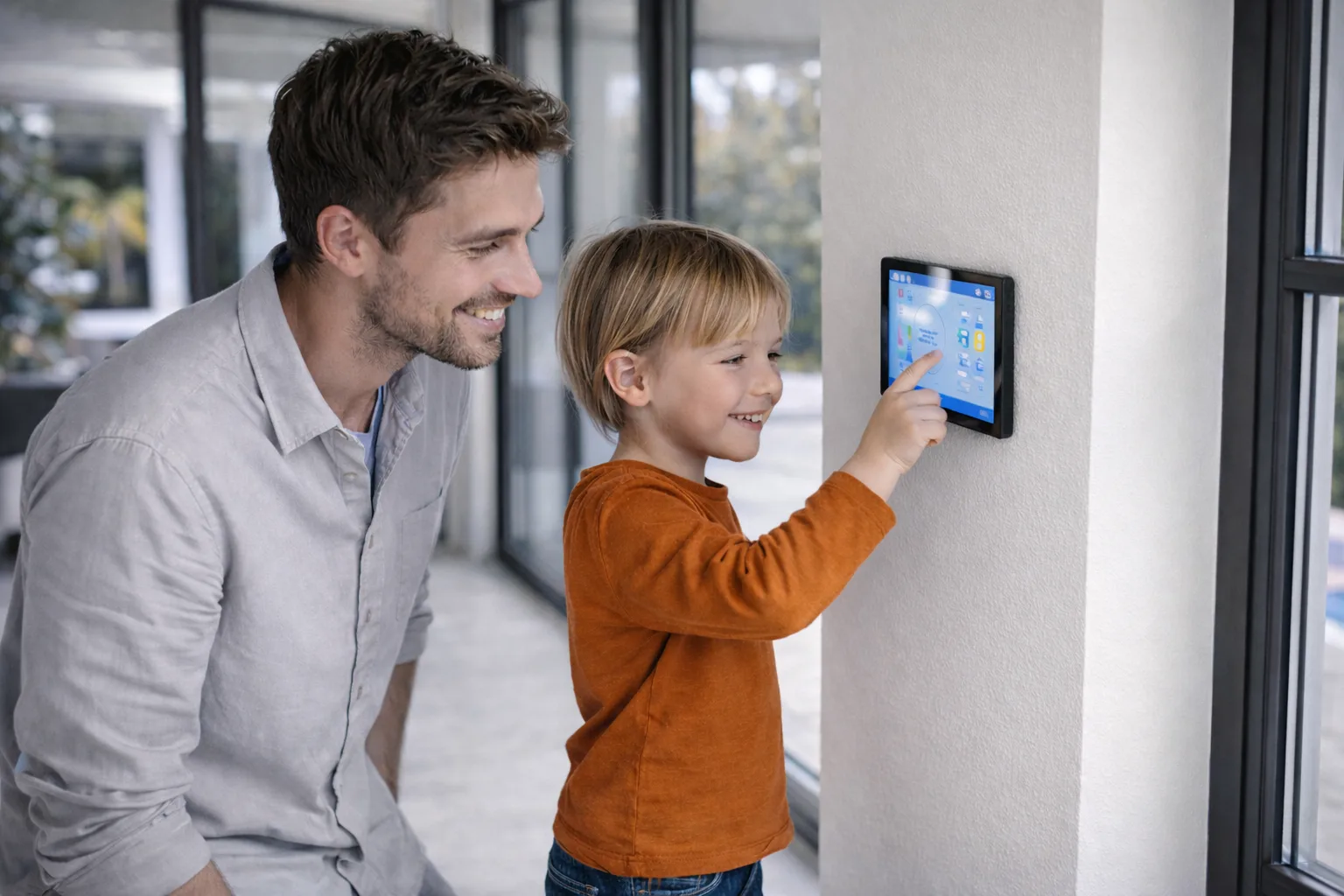
A BMS only earns its keep when operators trust it. We design supervision around real workflows, alarm queues that surface what matters, scheduled overrides for events, and role-based access for staff and contractors.
The result is shorter response times and fewer surprises during operations.
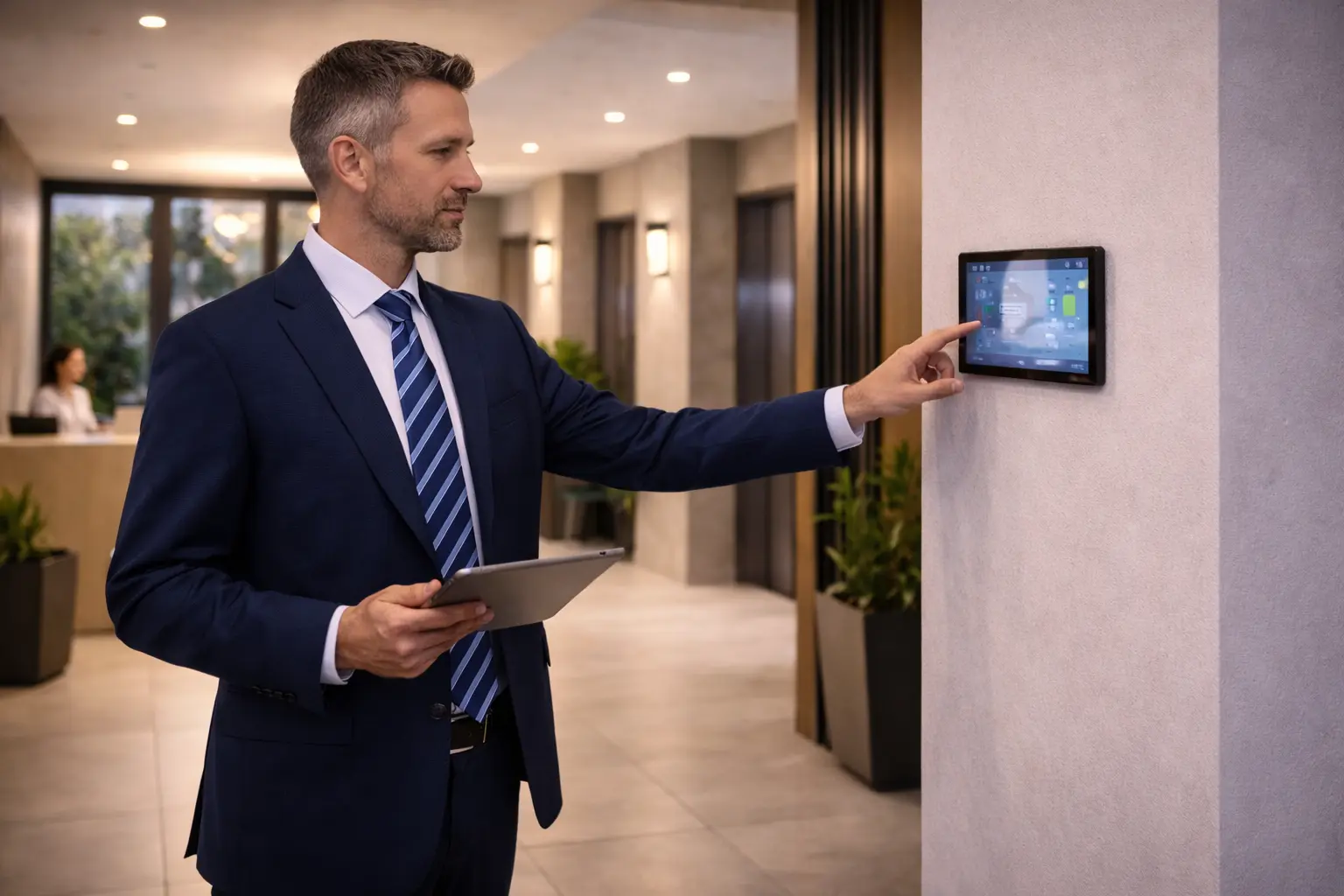
Cyprus electricity costs reward buildings that monitor and automate. We design metering and reporting so consumption is clear at a glance, and so optimization logic can act on it: occupancy-aware setpoints, after-hours shutdown, and peak-load management.
Where PV is installed, we tie the BMS into self-consumption strategy and load scheduling.
A BMS that nobody can maintain after handover is a liability. We deliver clear documentation, naming conventions, and operator training so your team, or any future integrator, can keep the building running.
Ongoing support is available where the project benefits from a long-term relationship.
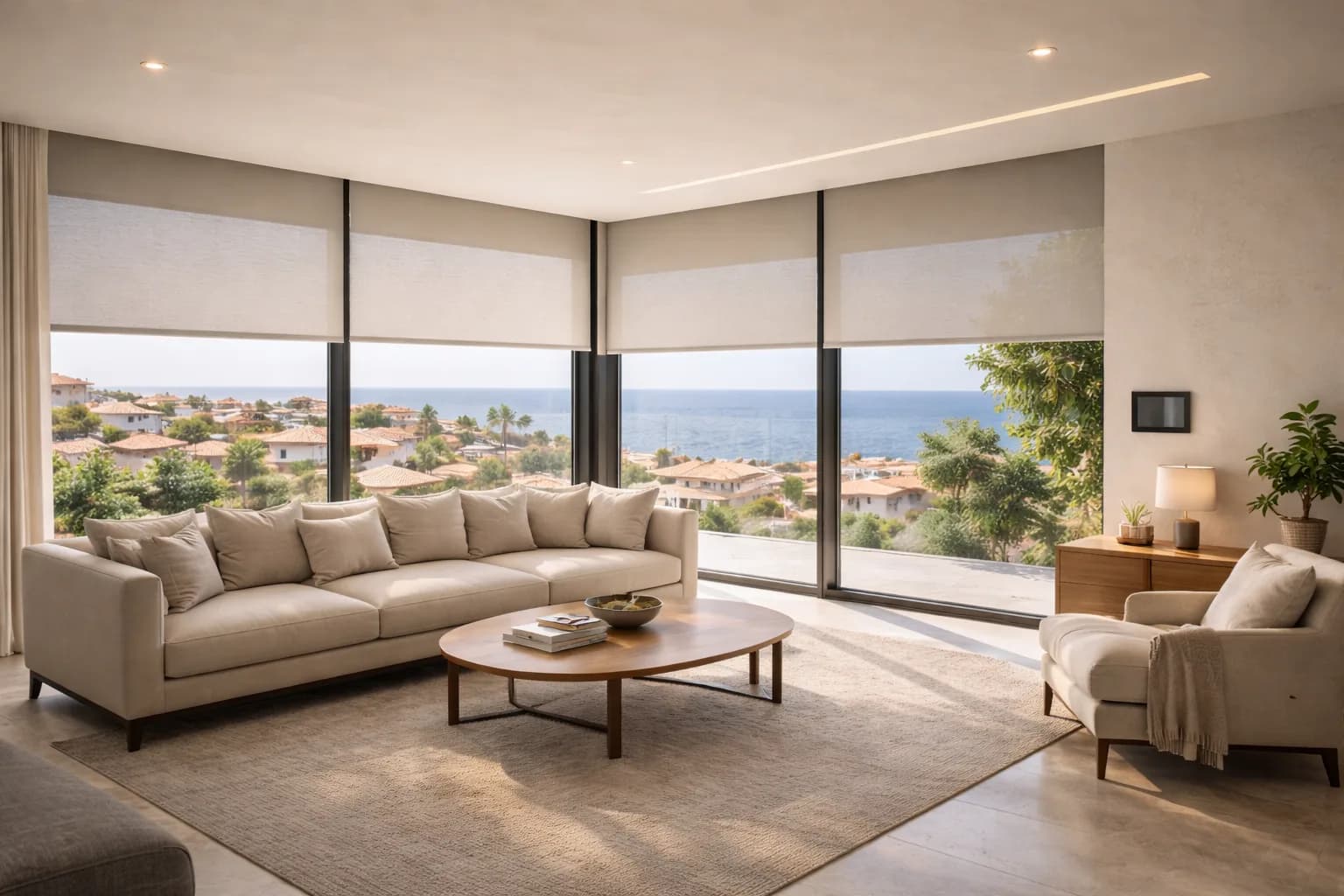
We tailor scope to building type, existing equipment, and how the operations team wants to work, while keeping the platform maintainable long after handover. We design, commission, and support BMS projects in Limassol, Nicosia, Paphos, and Larnaca.
Operating an office or apartment complex? See Offices and Apartments & MDUs for the occupant-facing layer.
Protocols, legacy integration, handover, and how BMS fits with your other commercial services.
KNX, BACnet (IP and MS/TP), Modbus (RTU and TCP), DALI, M-Bus, and IP-based equipment. Most projects are hybrid. We bridge whatever the building already has into a coherent supervision layer rather than forcing a single ecosystem.
Yes. Many projects involve bringing legacy HVAC controllers, meters, or alarms into a modern supervision layer without replacing the field equipment. We assess what's worth keeping, what's worth upgrading, and how to bridge everything cleanly.
Offices, multi-tenant apartment buildings, hotels, mixed-use developments, and larger villas with PV/EV infrastructure. Anywhere multiple subsystems need to be supervised and operated as one.
We deliver clean naming conventions, documented graphics, role-based logins for the operations team, and an operator runbook covering schedules, overrides, and alarm handling. The goal is a system any competent integrator can take over later if needed.
Yes, remote access is opt-in, role-based, and tunneled over secure VPN or vendor-grade remote-access platforms. Core control logic stays local so the building keeps running if the connection drops.
BMS is the supervision layer underneath them. Our Offices and Apartments & MDUs pages cover the day-to-day experience for occupants; BMS is what facilities teams use to manage the building behind the scenes.
Share your building type, existing equipment, and operating model. We'll propose a practical integration scope that respects what's installed and what's worth upgrading.