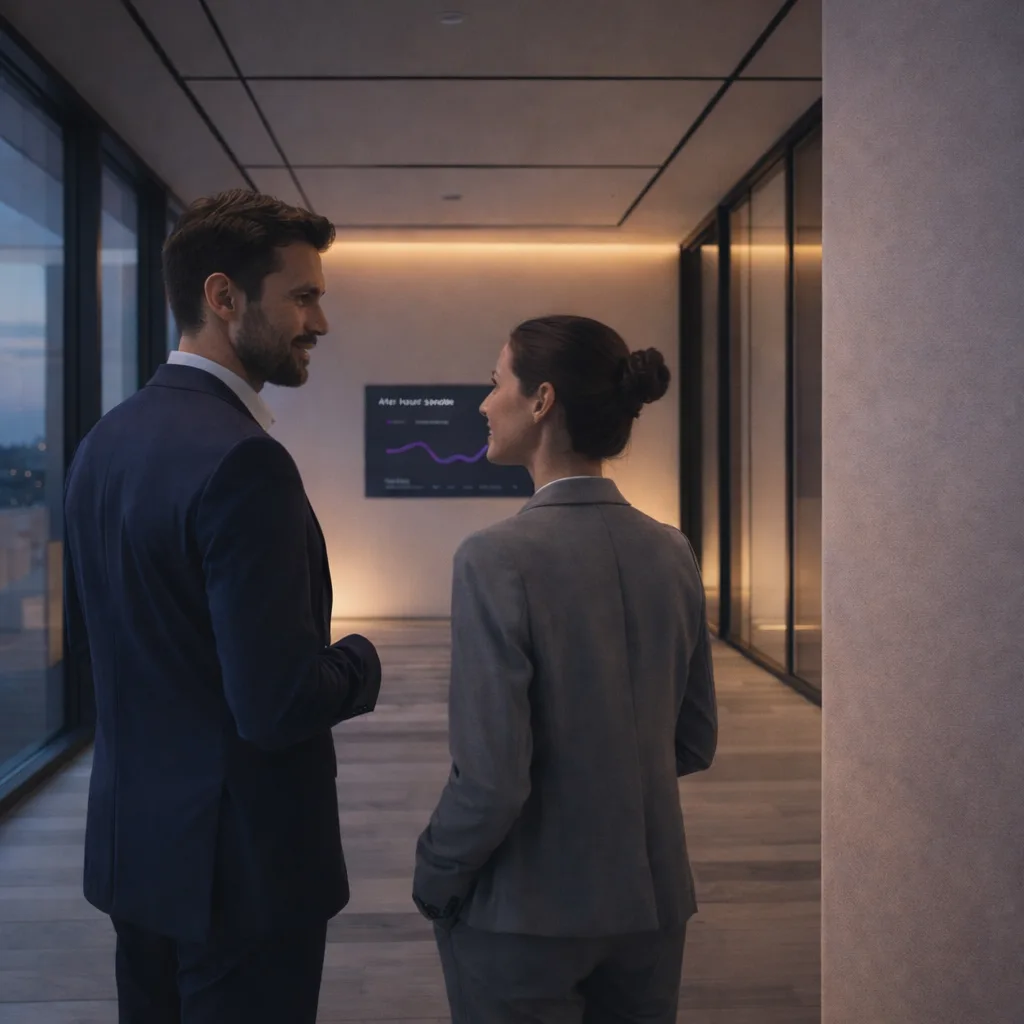
Lighting Automation
Presence-aware and schedule-based lighting by zone, with scenes for open-plan, focus work, and after-hours.
A smarter office should run quietly in the background: comfort where people work, security where it matters, and energy efficiency everywhere.
Deliver a premium workplace experience with automation that supports productivity: consistent lighting, comfortable climate, secure access, and meeting spaces that just work.
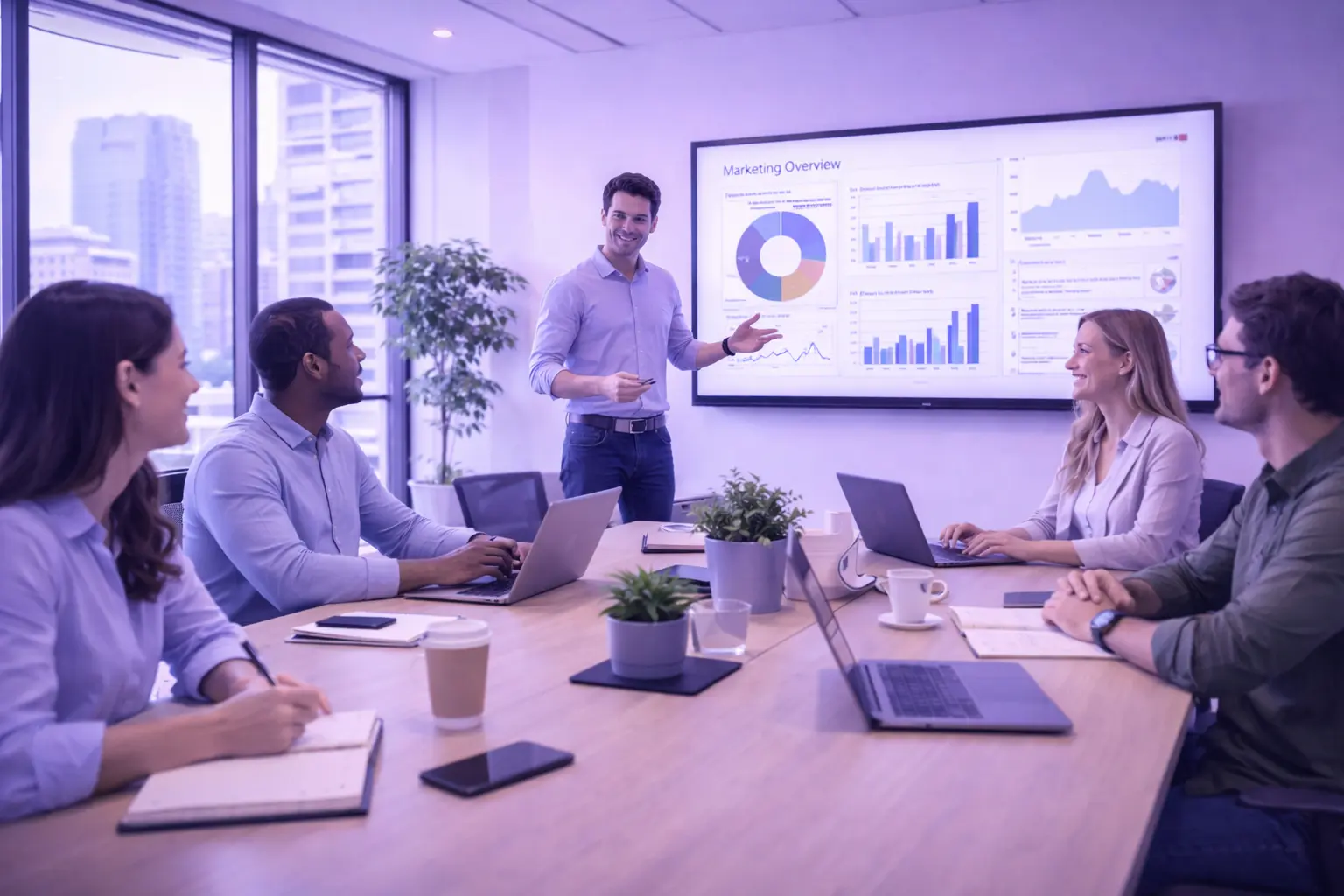
Designed for day-to-day reliability, facility efficiency, and a professional user experience.
Presence-aware and schedule-based lighting by zone, with scenes for open-plan, focus work, and after-hours.
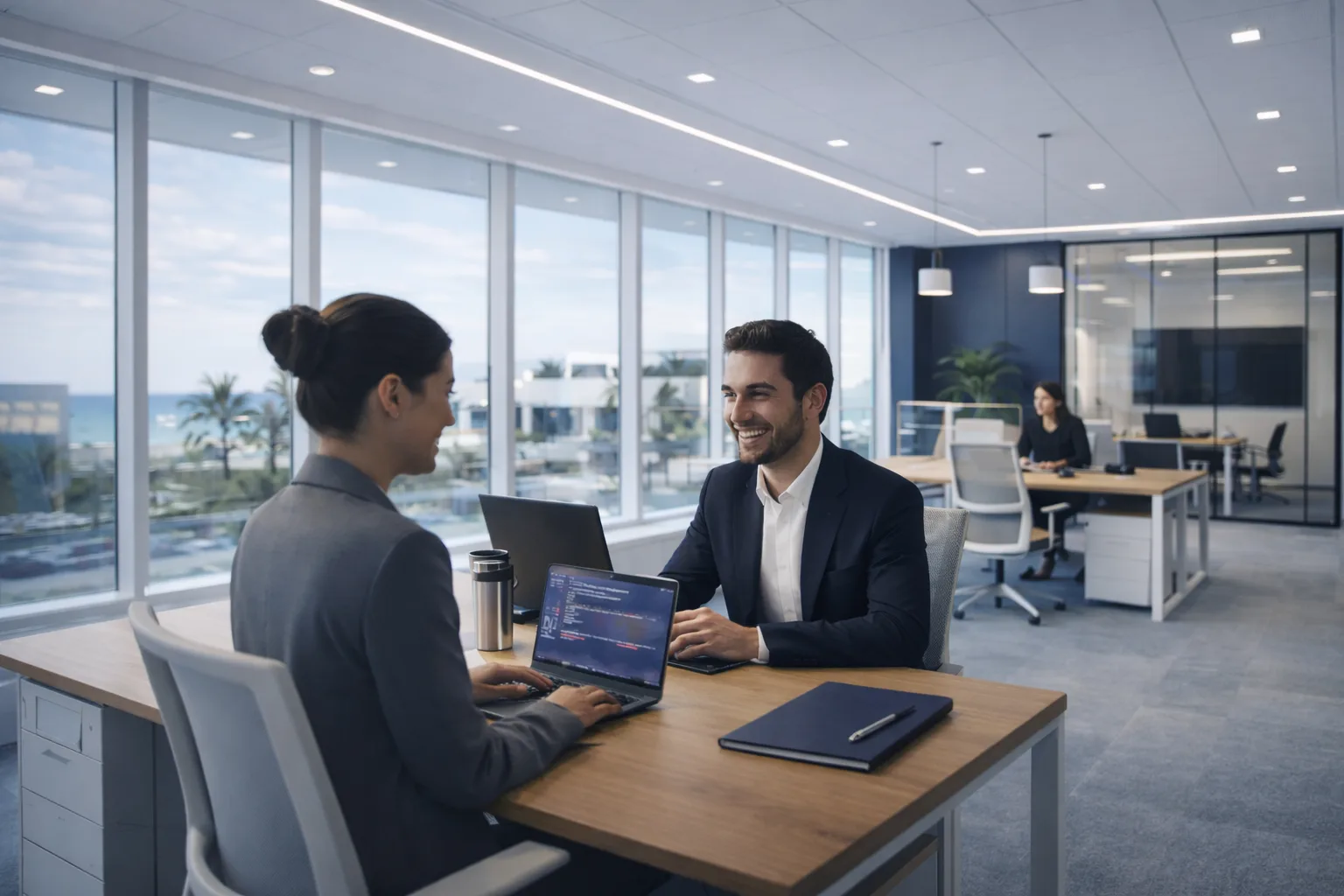
Comfortable temperature and ventilation with practical setpoints, occupancy logic, and energy-aware scheduling.
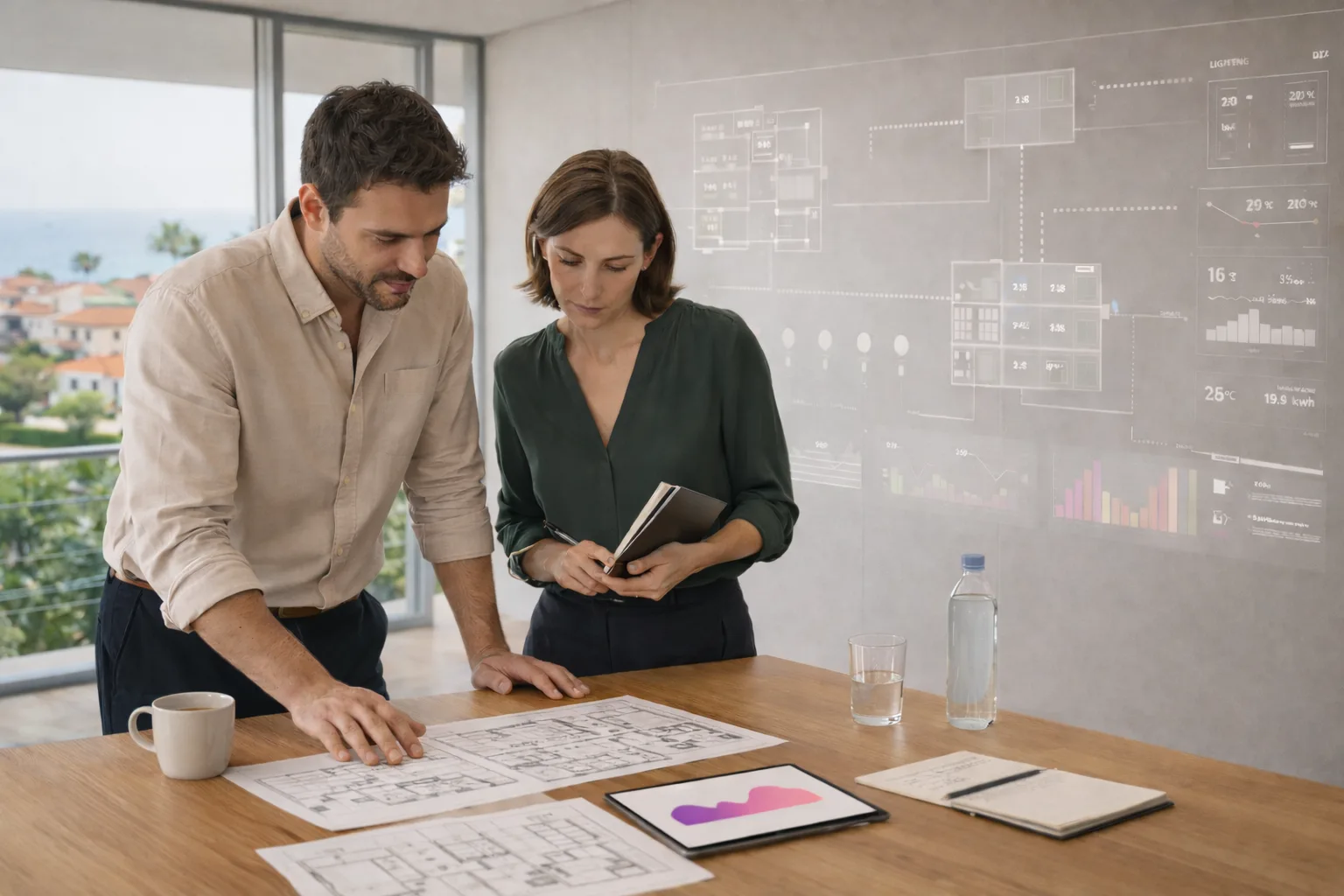
One-touch meeting scenes, clear controls, and automation that avoids the classic issues: lights on, AC off, blinds wrong.
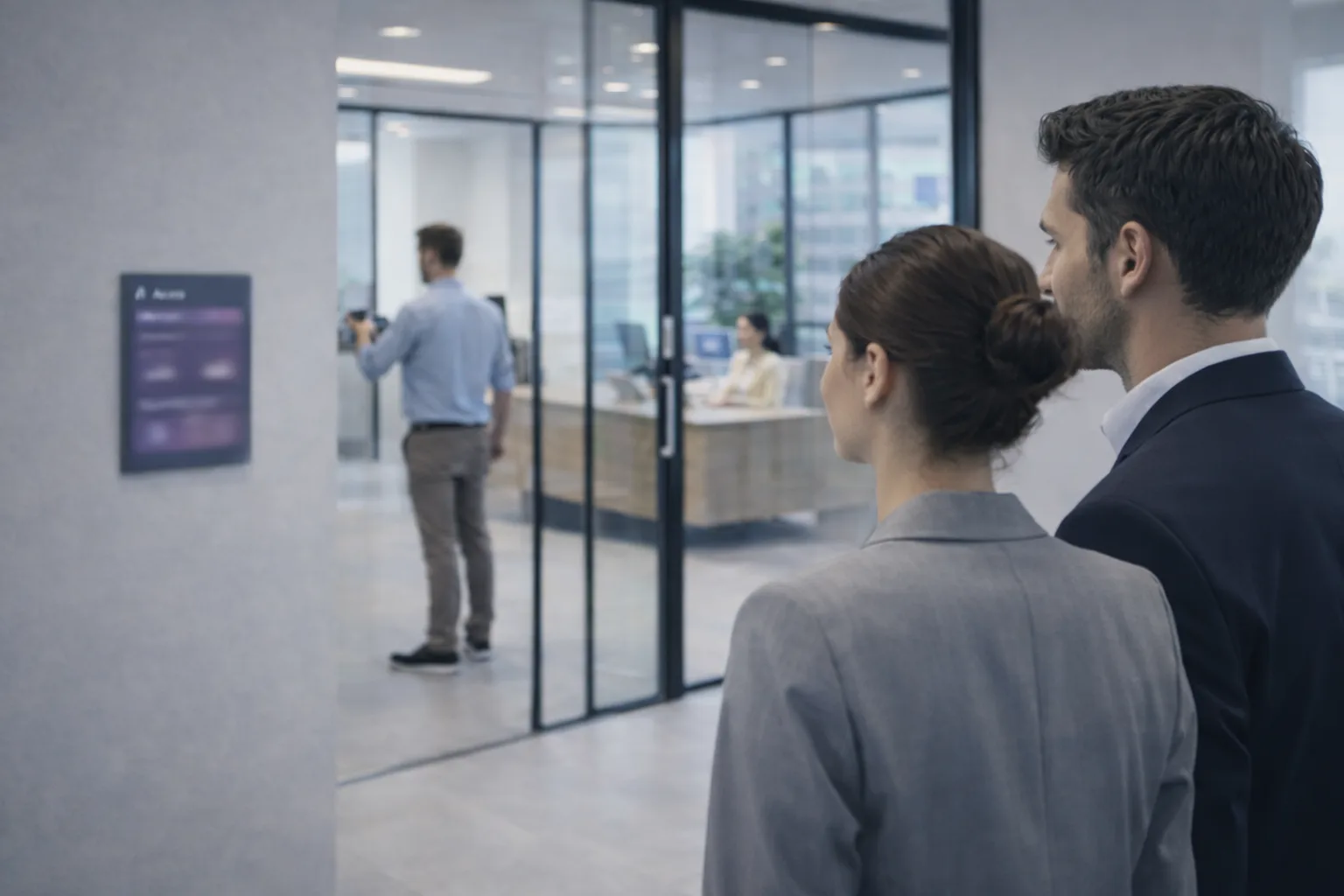
Secure entry for doors and zones with role-based permissions and audit-friendly administration for teams.
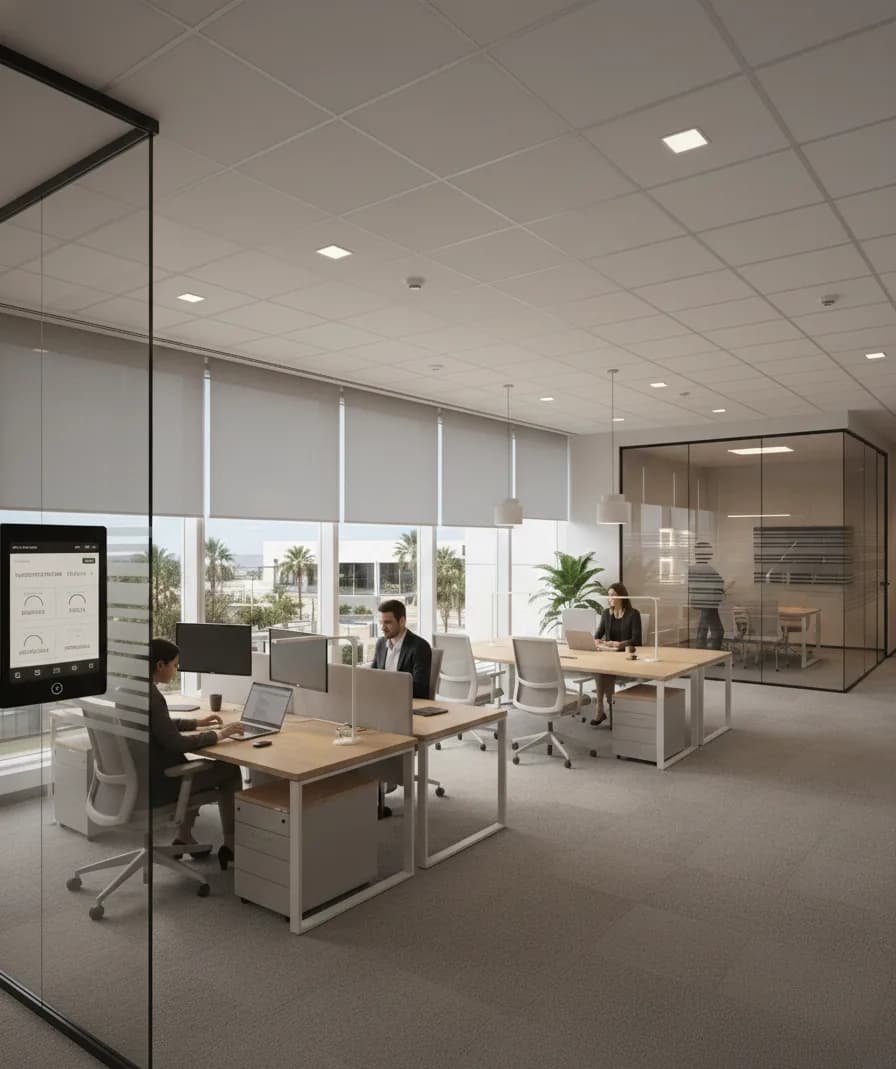
Automate blinds to reduce glare and cooling load while keeping spaces bright and comfortable.
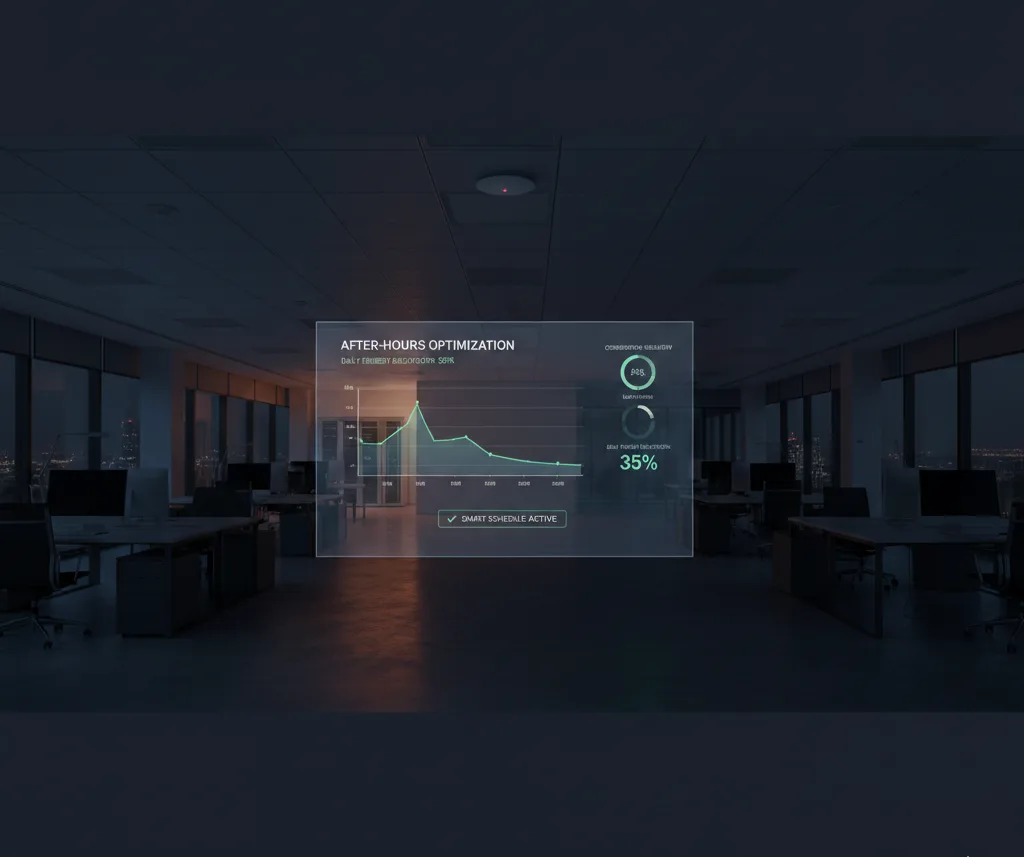
Visibility into consumption and smart load control to reduce waste, especially after hours and during low occupancy.
A practical system that supports IT and facilities teams with clear control and long-term maintainability.
Define zones per floor/area so lighting, climate, and scheduling match how people work.
Reliable scenes for presentations, calls, and workshops, consistent across rooms.
Controlled entry with roles for staff, visitors, and contractors, plus simple administration.
Automate after-hours shutdown and optimize daytime operation with occupancy-aware logic.
Lighting and climate should feel stable throughout the day. We use zones, schedules, and presence logic to keep offices comfortable, without constant manual adjustments.
That means fewer complaints, better focus, and a consistent experience across floors and departments.
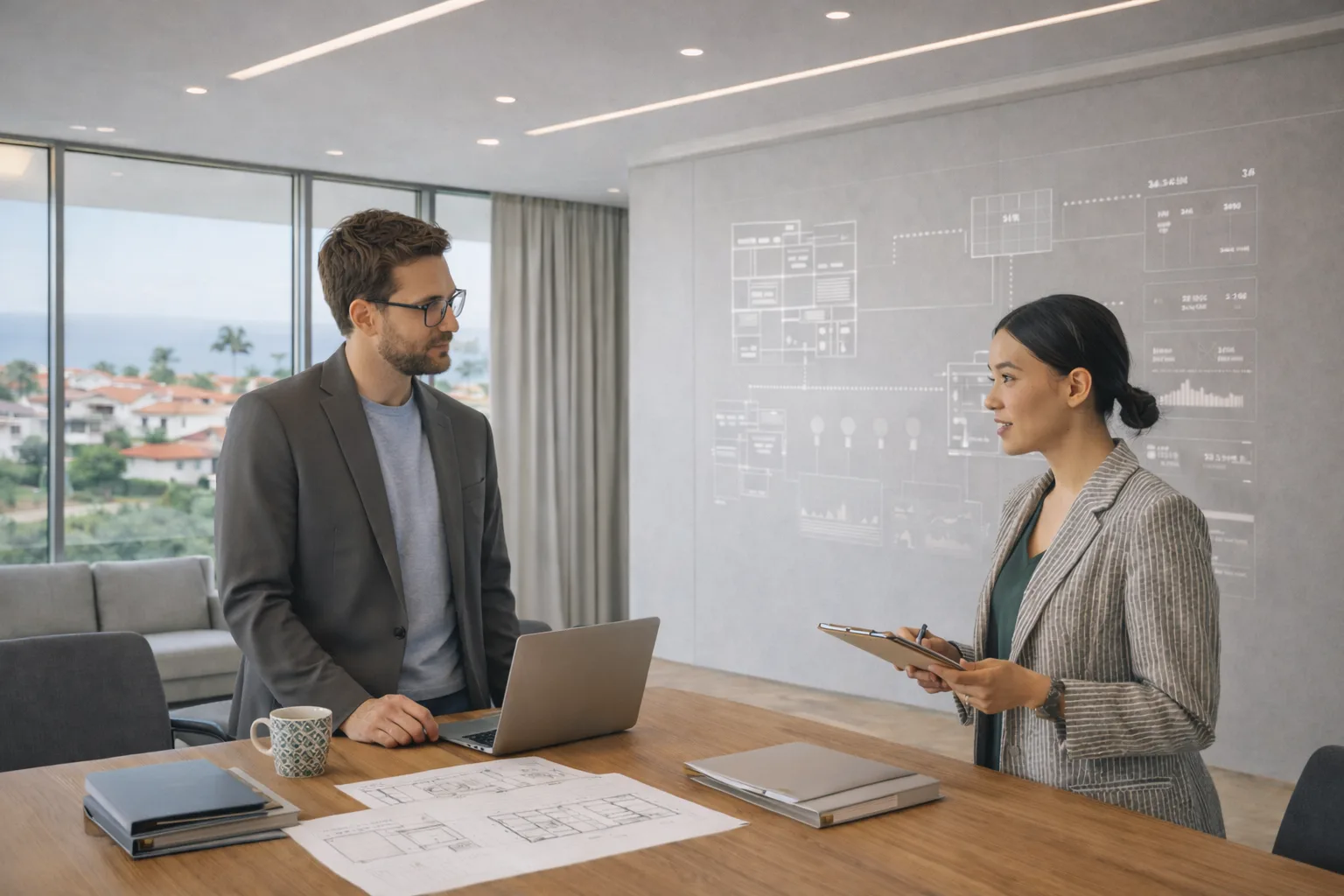
Meeting rooms are where automation shines: one-touch scenes, consistent controls, and logic that resets after use. No more walking into rooms with the wrong lights, blinds, or temperature.
We can standardize the setup room-by-room so every space feels familiar.

Offices need secure access without operational friction. We design role-based permissions and workflows that make sense for staff, visitors, and contractors.
Security events can also trigger automation, like lighting and alerts, to support real operations.
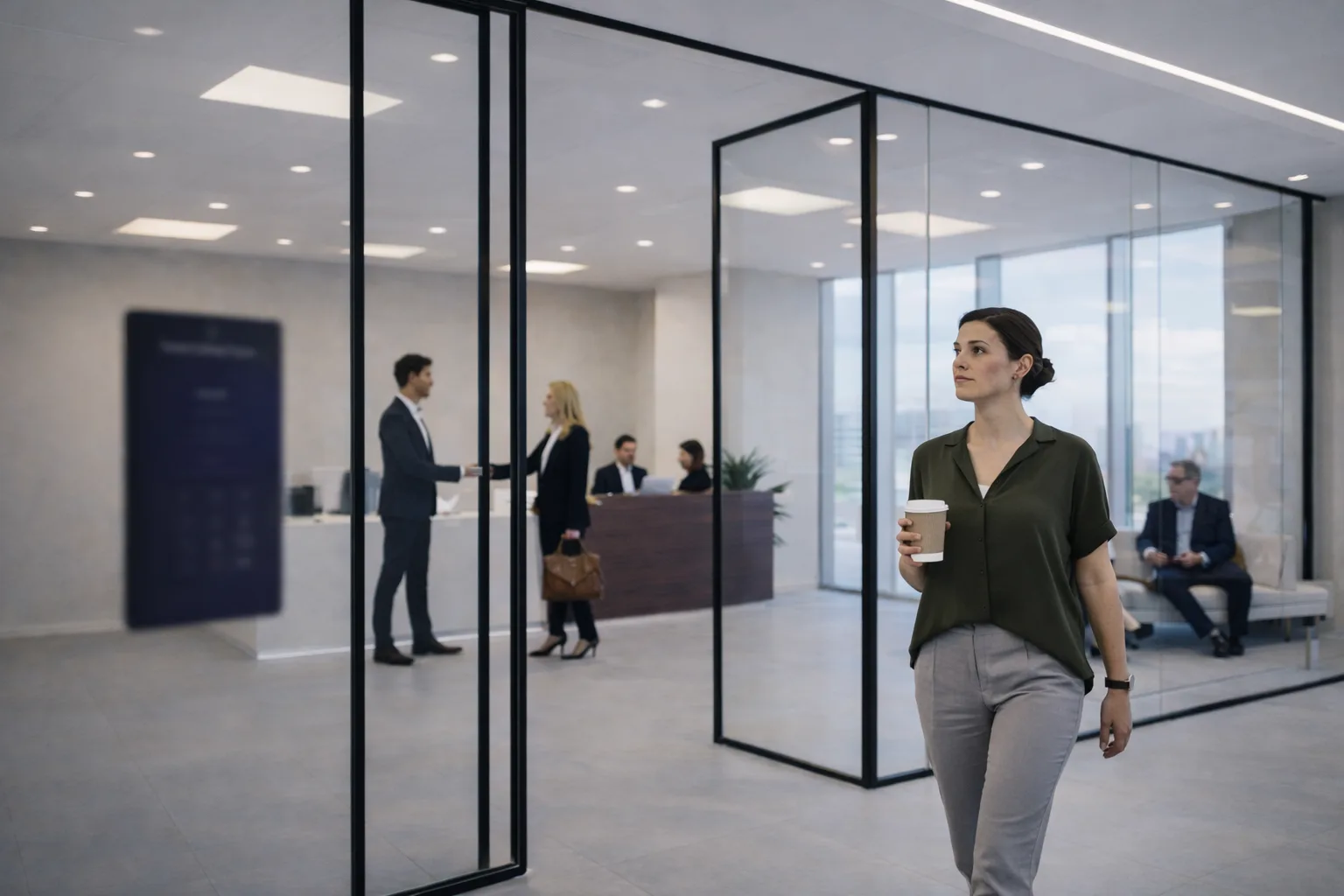
When offices are empty, systems should downshift automatically. We implement after-hours logic and smart scheduling to reduce energy use while maintaining comfort during occupied periods.
Monitoring and reporting can support facilities decisions and long-term optimization.
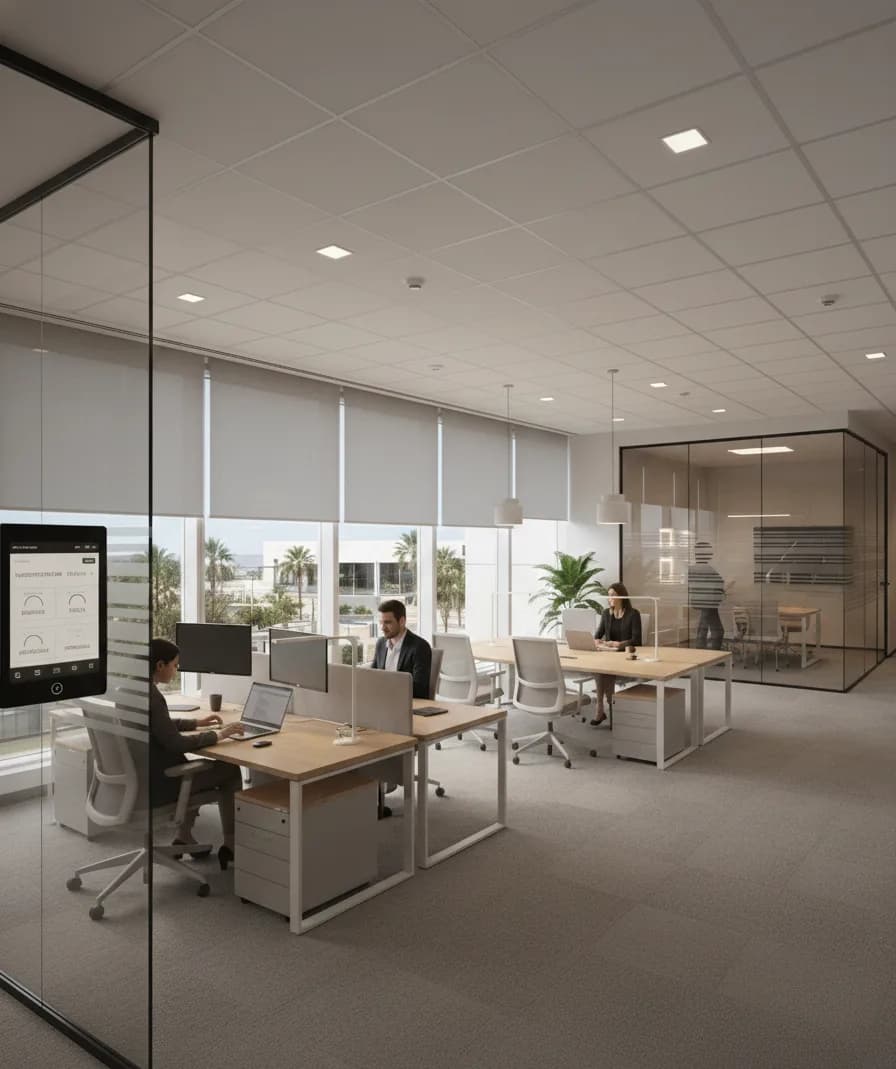
We tailor the scope to your space and workflows, from a single floor to multiple buildings, while keeping the system maintainable. We design, install, and support smart office systems in Limassol, Nicosia, Paphos, and Larnaca.

Scale, integration with existing IT, GDPR, ROI, and how this differs from BMS.
From single-floor offices to multi-tenant buildings and corporate HQs. The system scales. What changes is how much supervision and operations tooling sits on top. Smaller offices typically need lighting, climate, and access; larger ones add energy monitoring, meeting-room standards, and BMS-level supervision.
We integrate without disrupting your IT environment: dedicated VLANs for control traffic, vendor-agnostic protocols, and clean handoff to your existing security platform where required. Access logs can flow into your existing identity and audit systems.
Yes. Access events are logged with the minimum data needed, retention is configurable, and access to logs is role-restricted. We document the data flow as part of handover so DPO-level review is straightforward.
Direct savings come from after-hours shutdown, occupancy-aware HVAC, and lighting automation, typically meaningful percentages of HVAC and lighting consumption. Indirect returns come from fewer facilities tickets, consistent meeting-room experiences, and lower friction for staff and visitors.
Yes, we can tie scenes, occupancy, and HVAC schedules to popular room-booking platforms so spaces only condition themselves when actually booked. The same integration helps detect ghost bookings and free up rooms automatically.
They overlap. Our office solution covers the day-to-day occupant experience, lighting, climate, scenes, access. BMS is the supervision layer underneath, with HVAC, energy, and alarms tied into one operator-facing dashboard. Larger offices typically deploy both.
Share your floor plan, room list, and priorities. We'll propose a scalable automation plan that fits your workplace and support model.